



Ready to dive into the world of cryptocurrency trading in Dubai? At Decisive Zone, we provide...

A General Trading License in Dubai allows businesses to engage in a wide range of commercial activities, including...
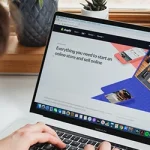
An e-commerce trade license in the UAE legitimizes online businesses, ensuring compliance with local...

A Management Consultancy License in Dubai permits firms to offer professional advisory services in...

With more and more people shifting their base to the UAE, the real estate market is booming...
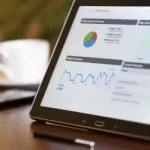
Now is a good time to consider starting a digital marketing business in the UAE as a lot of new…
The UAE consists of seven emirates: Dubai, Abu Dhabi, Sharjah, Fujairah, Ajman, Umm Al Quwain and Ras Al Khaimah with free zones specific to each emirate. Check the advantages and location of each and pick the one best suited to your business needs:
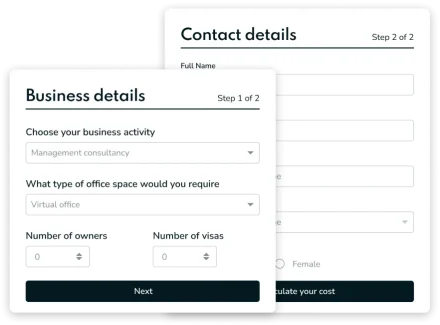
There are more than 3000 business activities listed by the free zones in the UAE. For more details on business activities, reach out to our company setup consultants.
A Commercial License is required in the UAE for businesses involved in trading and supplying goods such as:
An Industrial license is required in the UAE for manufacturing or other types of industrial activities such as:
A Professional License is required in the UAE for individuals or business groups that deliver expertise as a service to the public such as:
Thousands of people choose Decisive Zone to set up their business in Dubai and across the UAE. We take great pride in our exceptional services and our clients’ testaments keep us going!
Not directly. A free zone company can trade freely within its zone, between zones, and internationally, but selling directly to mainland UAE customers needs an extra step.
Your options to reach the mainland market:
- Appoint a local distributor or agent
- Open a mainland branch of your free zone company
- Obtain a dual-licence arrangement through the DET
If most of your revenue will come from UAE domestic customers, a mainland licence may suit you better. We can map the right structure to where your customers actually are.
There's no single UAE-wide minimum. It depends on the free zone and activity. Many popular zones, including IFZA and Meydan, require no mandatory paid-up capital, while some others set a nominal figure of around AED 50,000.
In most cases you won't need to deposit or show proof of capital to get your licence. We can confirm the exact requirement for your chosen zone before you apply.
A physical office usually isn't mandatory. Most free zones let you set up with a flexi-desk, shared workspace, or virtual office package instead of a full private office - one of the main cost advantages of the free zone route.
The workspace you choose affects your visa allocation, so it's worth matching it to your hiring plans from the start. A flexi-desk suits solo founders and small teams; a dedicated office unlocks more visas as you scale.
Yes. A freelance permit lets you work legally under your own name without forming a company - ideal for consultants, creatives, and solo professionals. Zones such as SHAMS, IFZA, and RAKEZ offer freelance packages, often among the most affordable ways to enter the UAE market.
A freelance permit lets you invoice clients, open a bank account, and apply for a residence visa. We can match you to the right zone for your activity and handle the permit and visa together.
Free zone visa quotas are package-based, not tied to the mainland's office-size formula. A flexi-desk or shared workspace typically allows 1 to 6 visas, while a dedicated office supports more.
Each zone sets its own tiers, and you can raise your quota by upgrading your workspace package. If you're planning to build a team, we can pick a zone and package that gives you room to grow.
In most cases, yes. Many free zones allow full remote incorporation. You can register the company, get your licence, and run operations without relocating, which makes this route popular with international founders.
The one exception is residency: if you want a UAE residence visa, you'll need a short visit for your medical test and Emirates ID biometrics. If you don't need a visa, you can often stay fully remote. Keep in mind that the 0% tax benefit requires genuine substance in the UAE.
The core difference is the number of shareholders:
FZE (Free Zone Establishment): a single shareholder, individual or corporate. Simplest structure, ideal for solo founders wanting full control.
FZ-LLC / FZCO (Free Zone Company): two or more shareholders, usually up to 50. Suited to partnerships, joint ventures, and businesses planning to bring in investors.
Both offer 100% foreign ownership, limited liability, and the same tax treatment. You can also convert an FZE to an FZCO later if you add partners. We can advise which fits your ownership and growth plans."
Yes. But it isn't automatic. A free zone company can pay 0% on its qualifying income only if it meets the conditions to be a Qualifying Free Zone Person, which include:
- Maintaining adequate substance in the UAE
- Earning qualifying income (largely from other free zones or foreign markets)
- Keeping non-qualifying income within the de minimis limits
- Not electing to be taxed under the standard regime
Income that doesn't qualify such as direct mainland sales - is taxed at 9%. Every free zone company must still register with the Federal Tax Authority. Our tax team helps you structure the business to protect the benefit.
Yes. Most free zones let you add activities to an existing licence through a simple amendment, subject to a fee and approval. The new activity generally needs to be compatible with your licence type. For example, adding another trading activity to a commercial licence.
Many zones also allow multiple activities under a single licence from the start, which can save on later amendments. We can handle the amendment or plan your activity list upfront so you're covered as the business evolves.